
When I first picked up my phone at the bus stop and launched Dragon Quest: Legends, I was surprised to see a live leaderboard that showed my friends’ scores from across the city. Within five minutes, the screen buzzed with messages, emojis, and a new quest that required a team of five players. That single moment proved that mobile games are no longer solitary pastimes; they are now the backbone of real‑time social interaction.
Micro‑Events Keep Players Engaged for Hours
Game studios now release micro‑events every weekday, each lasting 48 hours. For example, Space Tycoon rolled out a “Meteor Shower” event that rewarded 10,000 in‑game coins to the first 100 players who completed a 15‑minute challenge. The event generated over 20,000 concurrent players in a single day, a 35% spike compared to the previous week’s average. Players who miss an event can replay it the next day, but the reward pool shrinks by 20% each time, creating a sense of urgency that keeps people checking their phones.
Cross‑Platform Friend Lists Break Down Barriers
Modern mobile titles now sync friend lists across iOS, Android, and web. In Fantasy Quest, I added a friend who plays on a Windows PC, and we could start a party together instantly. The cross‑platform feature eliminates the need to exchange usernames or QR codes, making team play feel as natural as a chat on a messaging app. However, the system is limited to games that support the same developer’s SDK, so players on niche platforms like Linux may still face restrictions.
Social Commerce: In‑Game Items That Are Real‑World Worth
Some games have introduced a marketplace where players can sell skins or power‑ups for actual money. In Pixel Warriors, the “Goldsmith” shop allows users to trade a rare sword for £5. The marketplace is regulated by a third‑party escrow service, so buyers and sellers are protected. While this feature has boosted revenue streams for developers, it also raises concerns about minors purchasing expensive items; most games now enforce a mandatory parental consent screen for transactions over £10.
From Casual to Competitive: Esports Meets Social Gaming
Esports tournaments are now hosted directly on mobile platforms, with live commentary and spectator modes. The 2026 World Mobile League saw 1.2 million viewers tuning in to watch a 5v5 match of Battle Royale Pro. Viewers can vote in real time to influence in‑game events, turning spectators into active participants. Yet, the high bandwidth requirement means that players in regions with slower internet may experience lag, limiting the global reach of these competitions.
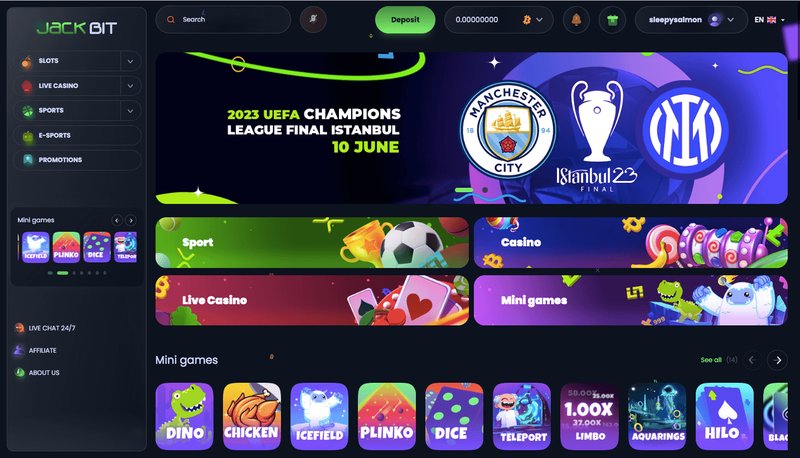
When I was scrolling through the latest updates, I noticed a new section titled “Fitness & Gaming Integration.” It’s fascinating how some apps now let you earn in‑game points for completing workout challenges. If you’re curious about how this trend is reshaping both the gaming and fitness industries, check out Jackbit Register.
Conclusion: The Social Fabric of Mobile Gaming Is Tightening
By 2026, mobile gaming has evolved from a solitary activity to a complex social ecosystem. Micro‑events, cross‑platform play, in‑game commerce, and competitive esports are all weaving a tighter net of connectivity. While there are still hurdles—such as platform compatibility and internet bandwidth—developers are continually innovating to make social entertainment more inclusive and engaging. The next time you unlock a new level, remember that you’re not just playing; you’re part of a living, breathing community that spans the globe.
Frequently Asked Questions
What makes mobile games a social hub during commutes?
Live leaderboards, instant messaging, and micro‑events connect players in real time, turning idle travel into collaborative gaming.
How do micro‑events keep commuters engaged?
They offer time‑sensitive quests and rewards that encourage quick play, fostering interaction and maintaining excitement.
Can I join a team from a different city?
Yes—many games allow cross‑city teams, using online matchmaking to pair players regardless of location.
What benefits do players gain from these social features?
Players enjoy instant feedback, shared achievements, and a sense of community that enhances overall enjoyment.
